
Transparency is part of the product experience
When a buyer evaluates a product, the product itself is only one part of the decision. The buyer also evaluates the seller. Is this company real? Can I find the address? Is the product information complete? Does the brand understand the German market? Are the claims believable?
This matters because online shopping removes physical contact. The buyer cannot hold the product, talk to a salesperson or inspect the packaging before purchase. The listing has to replace that reassurance. Seller transparency helps make the offer feel less anonymous.
For international merchants, transparency is often the bridge between unfamiliar brand and buyer confidence. The product may be strong, but if the seller story feels weak, the buyer may choose a more familiar competitor.
German-speaking buyers dislike unclear responsibility
A vague seller profile can create hesitation. Buyers want to know where to go if the product does not match expectations, if a part is missing or if a question appears after delivery. Even if they never contact support, the visible possibility creates confidence.
This does not mean every private detail must be published. It means the public-facing business identity should be understandable. The seller should not look like a temporary marketplace account with no clear responsibility for the product.
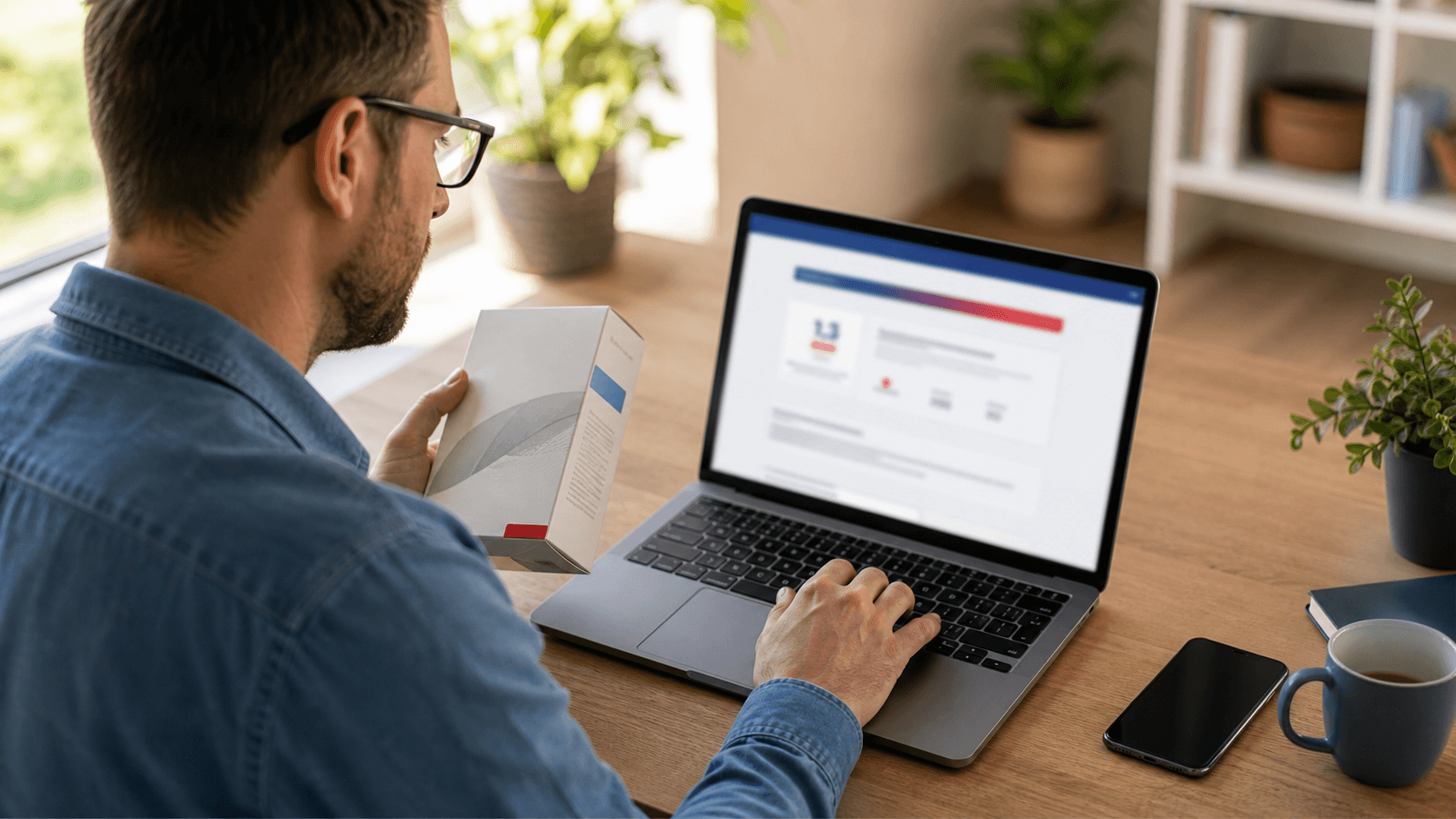
A public IW license page can support this because it connects product, company, license number and validity. It does not expose private data, but it gives the buyer a structured confirmation that the seal belongs to a real product relationship.
- Make public seller data easy to find.
- Avoid using different company names across channels.
Send us your product data and check whether the product is ready for a product-specific review for German-speaking buyers.
Transparency reduces friction before the cart
Many buyers leave before they reach the cart because small doubts add up. A missing instruction detail, unclear origin claim, weak product image or vague seller information may not be a single dealbreaker, but together they make the offer feel risky.
Transparency reduces that friction. It gives the buyer small confirmations along the way: the product is clear, the seller is traceable, the claims are understandable and the seal can be verified. The buying decision becomes easier because the buyer does not need to investigate everything manually.
This is why transparency should be built into the whole page, not placed only in a footer. Important trust information should appear near the product decision: images, bullets, A+ Content, product page sections and license verification.
The public license page as a trust anchor
The public license page is one of the strongest transparency assets because it gives the trust signal a destination. Instead of showing only a graphic, the seller can give buyers a place to check what the seal refers to.
A useful license page should show the license number, company name, product name, category, grade, validity period and the general testing context. It should not claim to be an official consumer protection institute. It should make clear that the review is product-specific and private.
For SEO and AI visibility, the license page also creates structured public information around the product. Search engines and answer systems can better understand that a specific product has a public proof page connected to Initiative Warentest.
- Keep the public license page accurate after product changes.
- Link the seal to the license page wherever possible.
Seller transparency and product images should work together
Transparency is not only text. Images can also show responsibility and proof. A gallery image can mention that the product is reviewed according to IW criteria. A+ Content can explain the review and show the license number. A shop product page can place the seal near product benefits.
This is especially useful for mobile buyers. They may swipe through images before reading the full description. If the trust story appears visually, they understand the quality signal earlier in the buying journey.
The key is restraint. A premium trust signal should not look like a flashy sticker. It should look like a serious product-specific reference that supports the product rather than distracting from it.
What international sellers often get wrong
The first mistake is hiding behind generic brand language. Phrases like 'premium quality' or 'trusted by thousands' do not create transparency if the buyer cannot see product-specific proof. German-speaking buyers may read these claims as advertising, not evidence.
The second mistake is inconsistent information. If the product name, brand name, company name and seller name change across pages, the buyer may wonder whether the seal belongs to the same product. Consistency is a trust signal.
The third mistake is overclaiming. A private product review should not be presented like an official government approval or an independent comparative consumer test. Clear wording protects the value of the seal and the credibility of the merchant.
- Use careful wording around the review.
- Make the product reference obvious.
How to turn transparency into a sales advantage
Transparency does not have to make a product page boring. It can become a premium advantage when it is designed well. A clear trust module, product-specific seal, good images and precise German copy can make an international seller look organized and serious.
This is valuable because many competitors still rely on generic badges, weak translations and broad promises. A seller that can show a real product-specific trust path stands out without shouting. The message is simple: this product is documented, reviewed and publicly verifiable.
For merchants entering Germany, Austria and Switzerland, that can be the difference between being perceived as another imported listing and being perceived as a product with a real local trust story.
The commercial effect often appears in small moments. A buyer stays on the page longer because the seller feels real. A B2B buyer has an easier reason to forward the product internally. A marketplace shopper chooses the offer that looks more documented. Transparency rarely works like one dramatic trick. It works by removing doubt at several points in the journey.
Use transparency after the purchase as well
The buyer's trust journey does not stop at the checkout. After the purchase, transparent product information can reduce support questions, negative reviews and returns. A customer who can easily find instructions, contact routes and product details is less likely to feel abandoned.
Sellers can use the same product data discipline behind the license page for post-purchase communication. The order confirmation, insert card, support article or email sequence can repeat the core facts: product name, use case, instructions, care notes and where to verify the IW license.
This creates a more professional experience. The IW seal starts as a conversion asset, but the transparency system behind it can also support customer satisfaction and repeat purchases.
Frequently asked questions
What should be public on a license page?
The public page should show product, company, license number, validity and testing context. Private personal contact details should not be published.
Can transparency improve conversion?
It can reduce uncertainty and support conversion when the product offer is otherwise strong. It should be combined with good images, clear copy and a competitive product.
Why do German buyers care about seller identity?
They want to know who is responsible for the product, where support can be reached and whether the offer comes from a traceable company.
Does the IW seal replace customer reviews?
No. Customer reviews and product-specific trust signals play different roles. The IW seal can support credibility, but it does not replace real customer experience.
Should sellers show origin information?
If origin information is relevant or claimed, it should be clear and consistent. Vague or inconsistent origin messaging can reduce trust.